The Allure of Chance and Uncertainty
The psychology behind the appeal of casino gaming often revolves around the thrill of chance and the uncertainty of outcomes. Many individuals are drawn to the excitement that comes from placing bets, as it taps into a primal instinct for risk-taking. This element of surprise can create a rush of adrenaline, making the experience more exhilarating than other forms of entertainment. Players also enjoy platforms where they can explore various games, and one popular option is 1win , which offers unique features that enhance the gaming experience, leading them to return for more as they chase that winning feeling.
This thrill is amplified by the potential for significant rewards, as the allure of a jackpot can create a potent mix of hope and excitement. When players win, even small amounts, it reinforces their behavior and encourages them to continue playing. This positive reinforcement is grounded in operant conditioning, where the enjoyment of winning drives individuals back to the gaming tables. As players invest their time and money, the cycle of engagement deepens, creating a habit that can be hard to break.
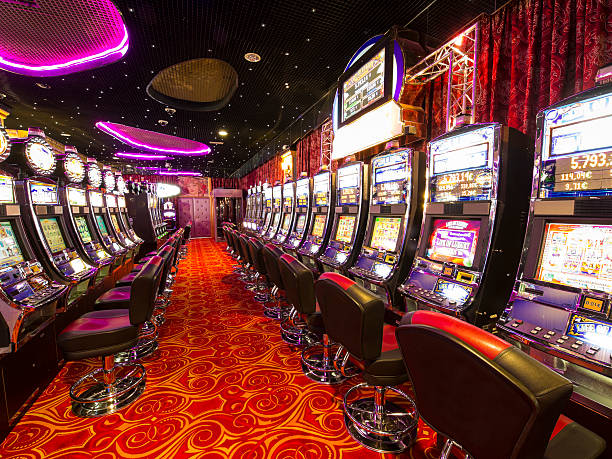
Moreover, the environment in which gaming occurs plays a significant role in influencing behavior. Casinos are designed to be immersive worlds filled with lights, sounds, and sensations that stimulate the senses. This carefully crafted atmosphere enhances the gaming experience, making it more appealing and engaging. The combination of chance, potential rewards, and an enticing environment creates a powerful psychological draw that keeps players coming back for more, often leading to habitual gaming behaviors.
The Role of Cognitive Biases
Cognitive biases play a crucial role in shaping how individuals interpret their gaming experiences. One common bias observed in casino players is the “gambler’s fallacy,” where individuals believe that past outcomes influence future results. For example, a player might think that a particular slot machine is “due” for a win after a series of losses. This misconception can lead to extended gaming sessions, as players feel convinced that luck will eventually turn in their favor. Such biases can distort reality and contribute to persistent gaming habits, even in the face of mounting losses.
Another key bias is the illusion of control, where players believe they have a certain level of influence over random outcomes. This can manifest in behaviors such as ritualistic activities before placing a bet or choosing specific numbers based on personal significance. This sense of perceived control can provide players with a false sense of security and increase their engagement, as they feel their actions have an impact on the results. This psychological phenomenon can lead to greater investment in gaming, reinforcing habitual behaviors despite the randomness inherent in casino games.
Furthermore, the tendency to focus on positive reinforcement while ignoring losses significantly shapes gaming habits. Players often remember their wins more vividly than their losses, which fosters a sense of success and encourages them to keep playing. This skewed perception reinforces the belief that a win is just around the corner, blinding players to the reality of the odds they face. Understanding these cognitive biases is critical to grasping the psychological aspects of casino gaming and their influence on habit formation.
The Social Dynamics of Gambling
The social environment is another significant factor influencing casino gaming habits. Many individuals are attracted to gaming as a form of social interaction, viewing it as an opportunity to bond with friends or meet new people. Casinos frequently act as social hubs where individuals can gather, share experiences, and enjoy the thrill of gaming together. This communal aspect enhances the enjoyment of the activity, making players more likely to return, as the experience transcends mere gambling—it becomes a social event.
Furthermore, peer influence can shape gaming behaviors. Individuals may feel pressured to participate in gaming activities due to the presence of friends or companions who encourage their involvement. This social aspect can create an environment where individuals are more susceptible to spending more money and time than they initially intended. The desire to fit in or impress others can lead to heightened engagement in gaming, further complicating the individual’s relationship with gambling and potentially fostering addictive behaviors.
Additionally, the sense of belonging that comes from participating in a group can lead to a shared culture around gaming. Players may exchange tips, strategies, and stories about their experiences, which reinforces their connection to the habit. This dynamic can create a strong community of regular players who are inclined to support one another, making it easier to overlook the negative consequences of gambling. Ultimately, the social dynamics at play within casinos significantly influence gaming habits, creating an environment where habitual gambling can flourish.
The Impact of Emotion and Mood on Gaming Choices
Emotions play a pivotal role in gambling behavior, often serving as both a motivator and a consequence of gaming habits. Many individuals turn to casinos as a means of escapism, seeking to alleviate stress or enhance their mood. The thrill of winning can provide a temporary high, reinforcing the idea that gambling is a viable way to cope with emotional challenges. However, this reliance on gaming as a mood enhancer can be problematic, as it may lead to an unhealthy cycle of emotional gambling.

Moreover, negative emotions such as anxiety or depression can also drive individuals to seek comfort in gaming. They may believe that a gaming session will distract them from their problems or provide an outlet for their feelings. As they engage in this behavior, they might experience a temporary relief that reinforces their habit, making it challenging to break free from the cycle. The combination of seeking emotional relief and the potential for excitement creates a complex relationship with gambling that can lead to habitual participation.
Additionally, the emotional highs and lows associated with gambling can significantly affect decision-making. The euphoric feelings from winning can lead to overconfidence, prompting players to take undue risks. Conversely, losing streaks might trigger frustration and a desire to chase losses, leading to more reckless gambling habits. Recognizing the impact of emotions on gaming choices is essential for understanding the psychological underpinnings of casino gaming habits and how they can evolve over time.
Understanding Responsible Gaming and Awareness
Creating awareness and promoting responsible gaming practices is crucial in addressing the psychology behind gambling habits. Many casinos and organizations now emphasize the importance of self-regulation and providing resources to help individuals understand their gaming behavior better. Educational programs aim to inform players about the odds, the potential risks of gambling, and the signs of problematic behavior. Such initiatives are essential for preventing hazardous gaming habits and fostering a healthier relationship with gambling.
Moreover, understanding the psychological drivers behind gaming can empower individuals to make informed choices. By recognizing the influence of cognitive biases, emotional triggers, and social dynamics, players can better navigate their gaming experiences. Encouraging a mindful approach to gambling can reduce excessive engagement and promote a balance between entertainment and responsibility. Players are more likely to enjoy their gaming experience without falling into harmful habits when equipped with knowledge.
Ultimately, fostering a culture of awareness and accountability is essential for promoting responsible gaming. Encouraging players to set limits, take breaks, and seek help if necessary can create a more sustainable gaming environment. Acknowledging the psychological aspects of gambling habits serves not only the individual player but the broader community, ensuring that the enjoyment of casino gaming is balanced with mindfulness and consideration of personal well-being.